How-To Guide · October 26, 2026
How to Follow Up With a Local Business After Your Pitch
A simple follow-up plan for web designers: log every contact, follow up 2 to 3 times, add something new each time, and know when to stop.
Most local business owners don't say yes on the first call or email. They're busy running a shop, and your message lands between customers. That's why the follow-up matters as much as the pitch. This guide shows you how to follow up with a local business after you pitch a website, without being pushy or getting ignored.
Why follow-ups matter
A missed reply usually means "not right now," not "no." The owner might have forgotten, needed to check with a partner, or just never saw your message. A short, polite follow-up gives them an easy way back into the conversation.
The goal is simple: stay helpful, stay brief, and make it easy for them to say yes or no.
How to follow up after a website pitch
1. Log every contact right away
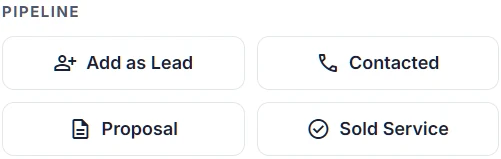
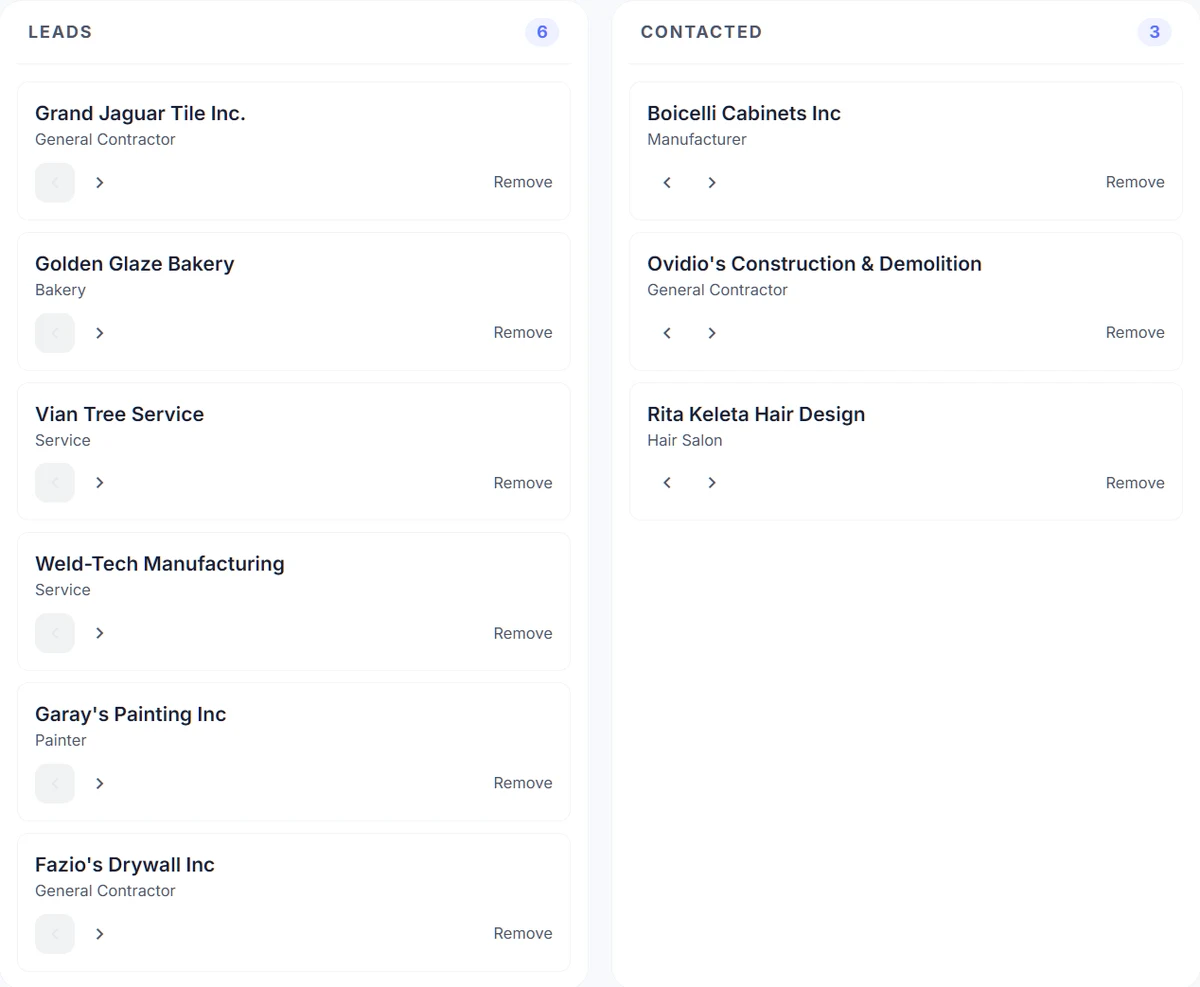
Before you follow up, you need to know who you talked to and when. Right after a call or email, write down the date, what you said, and what they said. If you use Locasly, move the business into your pipeline so nothing slips.
2. Set a simple follow-up schedule
A common rhythm is two or three follow-ups spread over about two weeks:
- Follow-up 1: 2 to 3 days after your first pitch.
- Follow-up 2: about a week later.
- Follow-up 3 (last one): about a week after that, with an easy out.
If you still hear nothing, stop and move them to a "check back later" list. Timing changes, and a business that ignored you in a busy month may be ready a few months later.
3. Switch channels
If you emailed first, try a quick call. If you called and got voicemail, send a short email. Some owners never check email, and some never pick up unknown numbers. Using a different channel on each touch gives you a better shot at reaching them. Our guides on cold calling a local business and cold emailing a local business cover the first touch in detail.
4. Add something new each time
"Just checking in" gives the owner no reason to reply. Each follow-up should bring one small, useful thing:
- A link to a mockup of their new homepage.
- One specific issue you noticed, like a slow mobile load or a missing phone button.
- A simple answer to a question they asked on the first call.
A mockup is often the strongest follow-up, because it shows instead of tells. See how to make a website mockup to pitch a local business.
5. Keep it short and make it about them
Two to four sentences is plenty. Lead with their business, not your service, and ask one clear question. Here's a simple template:
Hi [Name], it's [Your Name] again. I put together a quick preview
of what a new homepage for [Business] could look like: [link].
Want me to walk you through it in 10 minutes this week?
If the timing's not right, no worries, just let me know.
6. Send a polite last message
Your final follow-up should close the loop kindly. Let them know you won't keep reaching out, and leave the door open. Something like: "I don't want to fill up your inbox, so this is my last note. If a new website ever makes sense for [Business], I'm happy to help." People often reply to this one, even if it's just to say "not now."
7. Move leads through your pipeline
Once someone replies, update their status: Contacted, then Proposal once you send a price, then Sold when they say yes. Seeing every business by stage makes it clear who needs a follow-up today.
Common follow-up mistakes
- Waiting too long. If you wait weeks, they've forgotten who you are.
- Sending the same message again. Add something new each time.
- Writing long emails. Owners skim. Keep it short.
- Getting upset at silence. No reply is normal. Stay friendly.
- Following up forever. After the last message, give it a few months.
FAQ
How many times should I follow up with a local business?
Two or three follow-ups after your first pitch is a good rule. After that, pause and check back in a few months.
Should I follow up by phone or email?
Both. Switching channels helps, since some owners answer the phone but ignore email, and others are the opposite.
What if they said "send me some info"?
Send a short email with a mockup or a quick summary, then follow up 2 to 3 days later and ask if they have questions.
When should I stop following up?
Stop after your last polite message, or right away if they say no. Thank them and move on.
Steps at a glance
- Log every contact
Write down the date, what you said, and their response, and add them to your pipeline.
- Set a follow-up schedule
Follow up 2 to 3 days later, again about a week later, and a final time a week after that.
- Switch channels
Alternate between phone and email to reach owners where they respond.
- Add something new each time
Share a mockup, a specific issue you noticed, or an answer to their question.
- Keep it short
Write 2 to 4 sentences about their business with one clear question.
- Send a polite last message
Close the loop kindly and leave the door open.
- Move leads through your pipeline
Update each business from Contacted to Proposal to Sold as they respond.